
Reducing food waste at home is a practical way to save money, minimize environmental impact, and make the most of the food you buy. Every year, tons of edible food are discarded unnecessarily, which contributes to waste of resources and increased greenhouse gas emissions. Fortunately, with some mindful habits and small adjustments in your routine, it’s possible to significantly reduce the amount of food that ends up in the trash. In this article, we explore a variety of practical steps that you can take to reduce food waste at home.
Understand Why Food Waste Happens
Before diving into strategies, it helps to understand common reasons why food is wasted in households:
– Overbuying groceries
– Improper storage leading to spoilage
– Cooking or serving too much food
– Ignoring leftovers or pushing them aside
– Confusion over expiration dates
Recognizing these patterns makes it easier to adopt habits that prevent waste.
Plan Your Meals Ahead
Create a Weekly Meal Plan
Planning meals for the week encourages focused grocery shopping and reduces impulse buys that might go unused. A simple meal plan helps you:
– Buy only what you need
– Use ingredients efficiently across several meals
– Avoid last-minute takeout orders
Make a Grocery List and Stick to It
Once your meals are planned, prepare a detailed shopping list and follow it closely. This prevents picking up items that might expire before use.
Shop Smart
Shop with Full Stomach
Shopping when hungry often leads to overbuying. Eat before you go to help make rational choices.
Buy Loose Produce When Possible
Purchasing fruits and vegetables loose allows you to select exact quantities needed instead of prepackaged amounts.
Choose “Ugly” Produce
Fruits and vegetables that look imperfect are often perfectly fine to eat and usually cheaper. Including them supports reducing food waste on a larger scale.
Store Food Properly
Proper storage extends the life of your groceries. Here are some tips:
– Keep fruits and vegetables in appropriate humidity drawers in the fridge.
– Store bread in a breadbox or freeze it to prevent mold.
– Wrap leafy greens in a dry paper towel before refrigerating.
– Keep herbs fresh by trimming stems and placing them in water like a bouquet.
Label leftovers with dates to keep track of freshness.
Use Leftovers Creatively
Instead of tossing leftovers, transform them into new meals:
– Turn roasted vegetables into soups or frittatas.
– Use stale bread for croutons or breadcrumbs.
– Combine small amounts of various leftovers into stir-fries or wraps.
– Freeze portions that won’t be eaten soon.
Keeping a flexible attitude toward leftovers reduces waste and adds variety to meals.
Understand Expiration Dates
Many people discard food because of confusion around labels:
– “Best by” and “use by” dates often indicate quality, not safety.
– Check appearance, smell, and texture before discarding.
– When in doubt, it’s safer to throw away, but avoid wasting perfectly good food just based on dates.
Compost Food Scraps
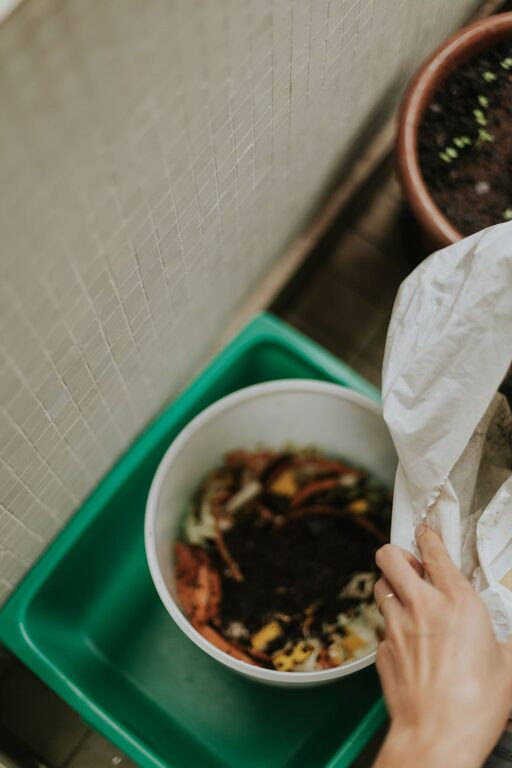
Not all waste can be avoided, but composting scraps like vegetable peels, coffee grounds, and eggshells keeps them out of landfills. Compost enriches soil and reduces methane emissions from landfill waste.
Educate Household Members
Getting everyone on the same page helps reduce waste:
– Share meal plans and fridge organization tips.
– Encourage mindful portions at mealtime.
– Teach children about food origins and waste impact.
Monitor Your Progress
Keeping a food waste diary or simply noting what is thrown away weekly provides insight into habits and areas for improvement.
Conclusion
Reducing food waste at home is achievable with intentional planning, smart shopping, proper storage, and creative use of leftovers. These steps not only benefit your wallet but also support environmental sustainability. Start by making small changes and gradually incorporate more practices to make your household more waste-conscious.
By adopting these tips, you can enjoy fresher meals, reduce clutter, and contribute to a healthier planet.