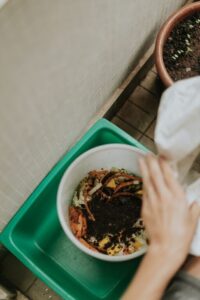
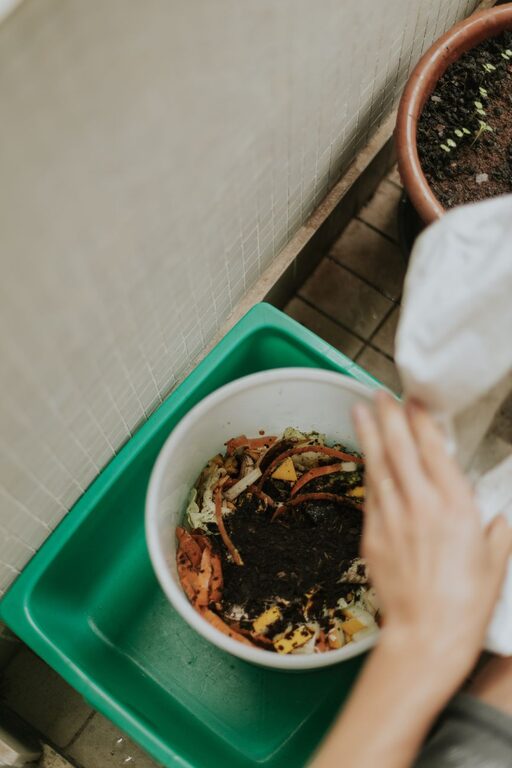
Composting at home is a rewarding way to reduce waste, enrich your garden soil, and contribute to a healthier environment. Whether you have a large backyard or just a small balcony, starting a compost pile or bin can be simple and enjoyable. This guide will walk you through the basics of composting, helping you get started with confidence.
What is Composting?
Composting is the natural process of recycling organic materials, like food scraps and yard waste, into a rich soil amendment called compost. Microorganisms break down these materials, producing a nutrient-dense product that improves soil structure, moisture retention, and fertility.
Why Compost at Home?
– Reduces landfill waste: Composting keeps organic waste out of garbage bins, which helps reduce methane emissions from landfills.
– Improves garden health: Compost adds essential nutrients and beneficial microbes to your soil.
– Saves money: Homemade compost reduces the need to buy commercial fertilizers.
– Supports sustainability: Composting helps close the loop in your household’s waste system.
Getting Started: Choose Your Composting Method
1. Select a Compost Bin or Area
You can compost:
– In a bin: Compost bins come in many sizes and materials, from plastic tumblers to wooden boxes. They help contain materials and keep pests away.
– In a pile: If you have space, a simple compost pile in a corner of your yard can work well.
– Vermicomposting: Using worms (usually red wigglers) to break down food scraps indoors or outdoors. This method is great for small spaces.
2. Find the Right Spot
Choose a location that is:
– Well-drained
– Partially shaded (to maintain moisture without overheating)
– Easily accessible for adding materials
What to Compost: Green and Brown Materials
Successful composting depends on balancing two types of materials:
– Green materials: Rich in nitrogen, these include fruit and vegetable scraps, coffee grounds, fresh grass clippings, and plant trimmings.
– Brown materials: Rich in carbon, these include dry leaves, straw, shredded paper, cardboard, and small branches.
Tips for Balancing Greens and Browns
– Aim for about 2-3 parts brown materials to 1 part green materials.
– Browns provide structure and air pockets.
– Greens provide moisture and nitrogen.
Materials to Avoid
To keep your compost healthy and pest-free, avoid:
– Meat, dairy, and oily foods (can attract pests)
– Diseased plants or weeds with seeds
– Pet waste
– Treated wood or synthetic materials
How to Build Your Compost Pile
- **Start with a layer of coarse brown materials** such as twigs or straw to aid airflow.
- Alternate layers of greens and browns.
- Add water occasionally to keep the pile moist, like a wrung-out sponge.
- Turn or mix the pile every 1-2 weeks to provide oxygen and speed up decomposition.
Maintaining Your Compost
– Moisture: Keep it damp but not soaked.
– Air: Turn the pile to introduce oxygen.
– Temperature: A healthy compost pile heats up as microbes work; warmth indicates good activity.
How Long Does Composting Take?
– Traditional composting can take 3-6 months.
– Turning the pile regularly and keeping it moist can speed up the process.
– Vermicomposting may be faster, often producing compost in a few weeks.
Using Your Finished Compost
You’ll know compost is ready when it is dark, crumbly, and earthy-smelling with no recognizable food scraps. Use it to:
– Enrich garden beds and potted plants
– Mulch around shrubs and trees
– Improve lawn soil
– Start seedlings
Troubleshooting Common Composting Problems
– Bad odors: Usually from too much green material or lack of air. Add browns and turn the pile.
– Pile too dry: Add water and some green materials.
– Pile too wet: Add dry browns and turn to aerate.
– Pests: Avoid meat or oily foods, and secure your bin if needed.
Final Thoughts
Composting at home is a simple, eco-friendly practice that benefits your garden and the planet. Start small, observe your pile, and adjust as needed. Over time, you’ll develop a system that works well for your space and lifestyle.
Happy composting!