Creating a calm and peaceful atmosphere in your home can have a positive impact on your mood and overall well-being. One of the easiest and most effective ways to transform a space is through the colors you choose for your walls and decor. Calm colors can make your rooms feel more relaxing, inviting, and harmonious. If you’re planning to refresh your home’s color palette, here are some helpful tips to consider when choosing calm colors.
Why Choose Calm Colors?
Calm colors are typically soft, muted, and gentle on the eyes. They help create a sense of tranquility and reduce stress. Unlike bold or bright colors that stimulate energy, calm colors promote restfulness and comfort—ideal for bedrooms, living rooms, or any space where you want to unwind.
Popular calm color families include:
– Soft blues and greens
– Warm neutrals like beige and taupe
– Light grays
– Pastel tones such as lavender or blush pink
Tips for Choosing Calm Colors
1. Start with Light Neutrals
Light neutrals like off-white, cream, light gray, and soft beige provide a perfect blank canvas. They bring warmth and openness to a space without overwhelming it. Neutrals also pair well with almost any other color, making it easy to add accents later.
2. Consider the Room’s Natural Light
The amount and quality of natural light in a room greatly affects how colors appear. Rooms with plenty of sunlight can handle cool tones like pale blue or green, which can look refreshing and airy. Dimmer rooms benefit from warmer tones like soft yellows or light taupes to add coziness.
3. Choose Colors with Low Saturation
Lower saturation means colors have less intensity, making them look softer and calmer. For example, instead of a bright turquoise, opt for a muted teal or dusty blue. These colors are less stimulating and help the eyes relax.
4. Use a Color Palette to Keep Balance
Create a harmonious space by selecting a color palette of two to three calm colors that complement each other. For example, a combination of light gray, soft green, and white can feel balanced and soothing. Use one color for the walls, another for furniture or rugs, and the third for accessories like pillows or artwork.
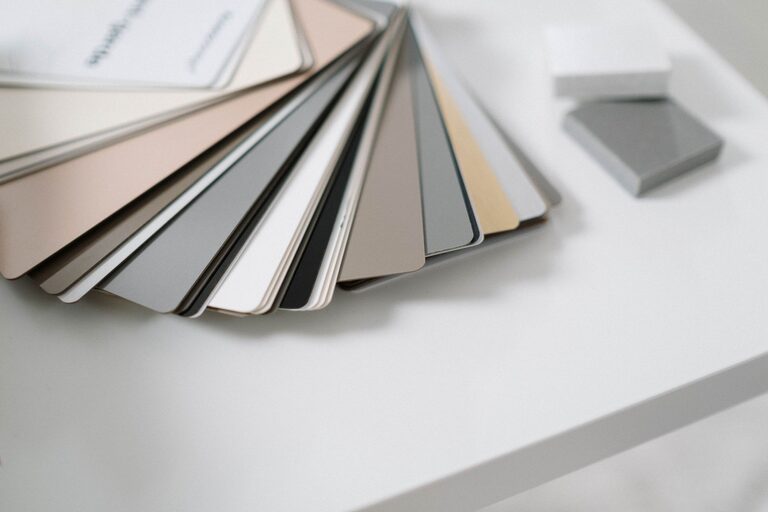
5. Test Paint Samples in Your Space
Colors can look very different depending on lighting and surroundings. Always test paint samples on your walls and observe them at various times of the day. This helps you see the true shade and make sure it blends well with your furniture and flooring.
6. Incorporate Texture and Natural Materials
Calm colors can be enhanced by adding texture and natural materials such as wood, linen, or woven fabrics. These elements add depth and warmth without overpowering the subtle color palette.
7. Avoid Overly Cool or Dark Shades
Very cool colors like icy blue or stark white can feel cold and impersonal if used excessively. Similarly, dark colors can make a room feel smaller and heavier. If you love these shades, use them sparingly as accent walls or decor instead of the main color.
8. Use Color Psychology to Your Advantage
Colors affect our emotions in subtle ways. For example:
– Blue promotes calmness and focus
– Green encourages relaxation and connection to nature
– Soft pinks evoke warmth and comfort
– Beige and taupe offer stability and neutrality
Think about the vibe you want for each room and select colors that support those feelings.
Calm Color Ideas by Room
Living Room
A calming living room is inviting and lets you unwind after a busy day. Consider soft gray walls with pastel green or blue accents. Add natural wood furniture and cozy textiles like throws and cushions.
Bedroom
The bedroom is often the best place to use the calmest colors. Pale blues, lavender, or gentle greens work well to encourage restful sleep. Pair with crisp white bedding and minimal clutter.
Bathroom
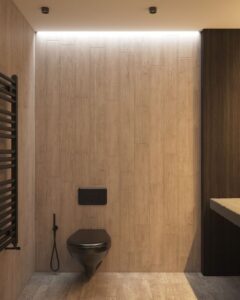
Bathrooms benefit from fresh, clean colors such as soft aqua, pale gray, or light beige. These shades visually expand the space and create a spa-like feel.
Home Office
For a calm but productive workspace, try muted green or soft blue shades. These colors can help reduce stress and improve concentration.
Final Thoughts
Choosing calm colors for your home is a wonderful way to create a peaceful sanctuary that feels welcoming and soothing. Remember to think about natural light, color saturation, and the mood you want for each room. By testing samples and balancing your palette, you can enjoy a beautiful, serene environment that supports your daily life.
With these tips, transforming your space with calm colors is simple and enjoyable. Happy decorating!